
The Dyatlov Pass Incident: Unraveling Russia’s Most Chilling Mountain Mystery
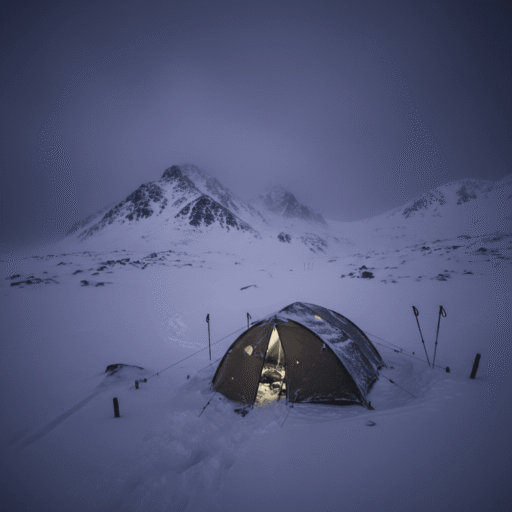
The Dyatlov Pass Incident, occurring in February 1959 in the Ural Mountains, involves the mysterious deaths of nine experienced Soviet trekkers. The official conclusion of “a compelling natural force” has fueled numerous theories and remains one of the 20th century’s most perplexing unsolved mysteries.
The Ill-Fated Expedition: Aspirations and Departure
- Objective: A Grade III winter ski trek across the northern Ural Mountains to Mount Otorten, aiming to earn the title “Master of Sport” in tourism.
- Team: Ten members, led by 23-year-old Igor Dyatlov, mostly students and graduates from the Ural Polytechnic Institute (UPI). The group included Zinaida Kolmogorova, Lyudmila Dubinina, Alexander Kolevatov, Rustem Slobodin, Yuri Krivonischenko, Yuri Doroshenko, Nikolay Thibeaux-Brignolles, and Semyon Zolotaryov.
- Departure: The expedition began on January 25, 1959, from Sverdlovsk. They traveled to Ivdel, then by truck to Vizhay, the last inhabited settlement.
- Early Departure: Yuri Yudin, a tenth member, turned back on January 28 due to illness (sciatica), becoming the sole survivor and witness to their initial departure.
- Isolation: The remaining nine members were completely isolated from this point onward.
- Planned Return: Dyatlov was expected to send a telegram from Vizhay by February 12.
The Search and the Haunting Discovery
- Alarm Raised: By February 20, 1959, with no contact, relatives pressured authorities to launch a search.
- Tent Discovery: On February 26, a search party found the group’s tent on the eastern slope of Kholat Syakhl (“Dead Mountain”).
- Tent Condition: The tent was partially collapsed and slashed open from the inside. All belongings, including spare clothes, boots, food, and survival equipment, were left behind.
- Footprints: Footprints led downhill towards a nearby forest, made by bare or stockinged feet or with a single boot, indicating a hasty and disorganized departure. The footprints vanished under fresh snow.
The First Five Bodies: Hypothermia and Panic
- Location: Found approximately 1.5 kilometers downhill from the tent, near a pine forest and a cedar tree with a small campfire.
- Condition: Yuri Krivonischenko and Yuri Doroshenko were found in their underwear, with signs of severe burns on their hands and feet. Branches broken up to five meters high on the cedar tree suggested someone had climbed it.
- Cause of Death: Hypothermia.
- Further Discoveries: Igor Dyatlov, Zinaida Kolmogorova, and Rustem Slobodin were found attempting to return to the tent. Slobodin had a skull fracture.
- Implication: These deaths suggested an overwhelming and sudden event that drove the experienced trekkers from their shelter in extreme conditions.
The Remaining Four: Gruesome Discoveries and Baffling Injuries
- Location: Found two months later (May) in a ravine, about 75 meters deeper into the forest and under a thick snow layer.
- Victims: Lyudmila Dubinina, Alexander Kolevatov, Nikolay Thibeaux-Brignolles, and Semyon Zolotaryov.
- Condition: Three victims (Dubinina, Zolotaryov, Thibeaux-Brignolles) had severe, traumatic internal injuries without corresponding external wounds, described as akin to car crash impacts.
- Dubinina: Extensive chest fractures, missing tongue, eyes, and part of her mouth.
- Zolotaryov: Severe chest trauma, missing eyes.
- Thibeaux-Brignolles: Significant skull fracture.
- Kolevatov: Broken jaw, severe internal head damage.
- Clothing: Some wore clothing belonging to other group members, suggesting a desperate struggle for survival.
- Radiation: Traces of radiation were found on some clothing, though authorities downplayed its significance.
The Official Investigation and its Ambiguous Conclusion
- Lead Investigator: Lev Ivanov.
- Autopsies: Conducted by Dr. Boris Vozrozhdenny.
- Official Verdict (May 1959): The group died due to “a compelling natural force” (стихийная сила).
- Case Closure: The case was quickly closed and files classified, only partially released in the 1990s.
- Key Unexplained Findings:
- Tent slashed from inside.
- Hasty departure without proper clothing.
- Severe internal injuries without external marks.
- Missing body parts.
- Radiation traces on clothing.
- Lack of other human tracks.
- State of undress of some victims.
Theories: A Labyrinth of Speculation
Natural Force Theories
- Avalanche Theory: A slab avalanche, possibly a rare, delayed type, engulfed or pressured the tent, causing panic and forcing the group to flee. Injuries attributed to snow impact or falls. Recent computer modeling supports this, suggesting a specific snow-drift configuration could trigger such an event. Paradoxical undressing is explained by severe hypothermia.
- Infrasound Theory: Katabatic winds and topography created infrasound waves, inducing fear and panic, leading the group to flee into the cold. Injuries attributed to falls in disorientation.
- Hypothermia and Paradoxical Undressing: Hypothermia itself can cause irrational behavior, including removing clothes (paradoxical undressing) and seeking confined spaces (terminal burrowing).
Human Involvement Theories
- Mansi Attack: Dismissed due to lack of evidence, peaceful nature of the Mansi, and the nature of injuries.
- Military Experiment/Secret Weapon: Cold War-era theory suggesting exposure to a secret weapon (e.g., parachute mine, chemical agent). “Orange spheres” reported by other groups and radiation traces are cited as evidence. Military involvement in the investigation fuels suspicion.
- Inter-group Conflict: Less supported theory suggesting internal dispute, but no evidence of conflict within the group.
Paranormal and Fringe Theories
- Yeti/Manka-Solomon Encounter: Attack by a mythical creature. Lacks scientific basis.
- UFO/Extraterrestrial Involvement: Encounter with a UFO causing injuries and panic. Linked to “orange sphere” sightings. Lacks concrete evidence.
The 2019-2020 Re-investigation and its Conclusions
- Initiated by: Russian Prosecutor General’s Office.
- Primary Conclusion: A natural disaster, specifically a slab avalanche, was the most probable cause.
- Mechanism: Tent pitched on unstable snow slab, avalanche triggered panic, group fled downhill, injuries from falls and exposure.
- Explanations for Peculiarities: Missing body parts attributed to scavenging and decomposition; radiation considered negligible or from other sources.
- Reception: Met with skepticism by many, who argue it doesn’t fully explain all details, particularly the tent’s condition and the nature of injuries.
The Enduring Legacy of the Dyatlov Pass
- Cultural Impact: Inspired numerous books, documentaries, films, and games.
- Fascination: Stems from the contradictory evidence, the human desire for explanation, and the blend of natural power with potential unknown factors.
- Symbolism: Represents the unpredictable power of nature, the limits of understanding, and the allure of the unknown.
Conclusion: A Mystery Frozen in Time
The Dyatlov Pass Incident remains unresolved for many, despite the 2019-2020 re-investigation favoring an avalanche. The details—tent slashed from within, undress, severe internal injuries, radiation, and panic—continue to challenge simple explanations. It stands as a haunting reminder of nature’s perils and the limits of human knowledge, a frozen moment in history where a group’s fate defies easy comprehension.
Test Your Knowledge: Dyatlov Pass Quiz
The Dyatlov Pass Incident occurred in February 1959 in the Ural Mountains.
True FalseYuri Yudin was the only survivor of the expedition.
True FalseThe official verdict of the 1959 investigation was “a compelling natural force.”
True False
Echoes from the Abyss: Unraveling the Deep Ocean’s Most Profound Secrets