
The Enigma of Power: Unraveling the Conspiracy Theories Surrounding Past Dictators
Curioscope’s Lens
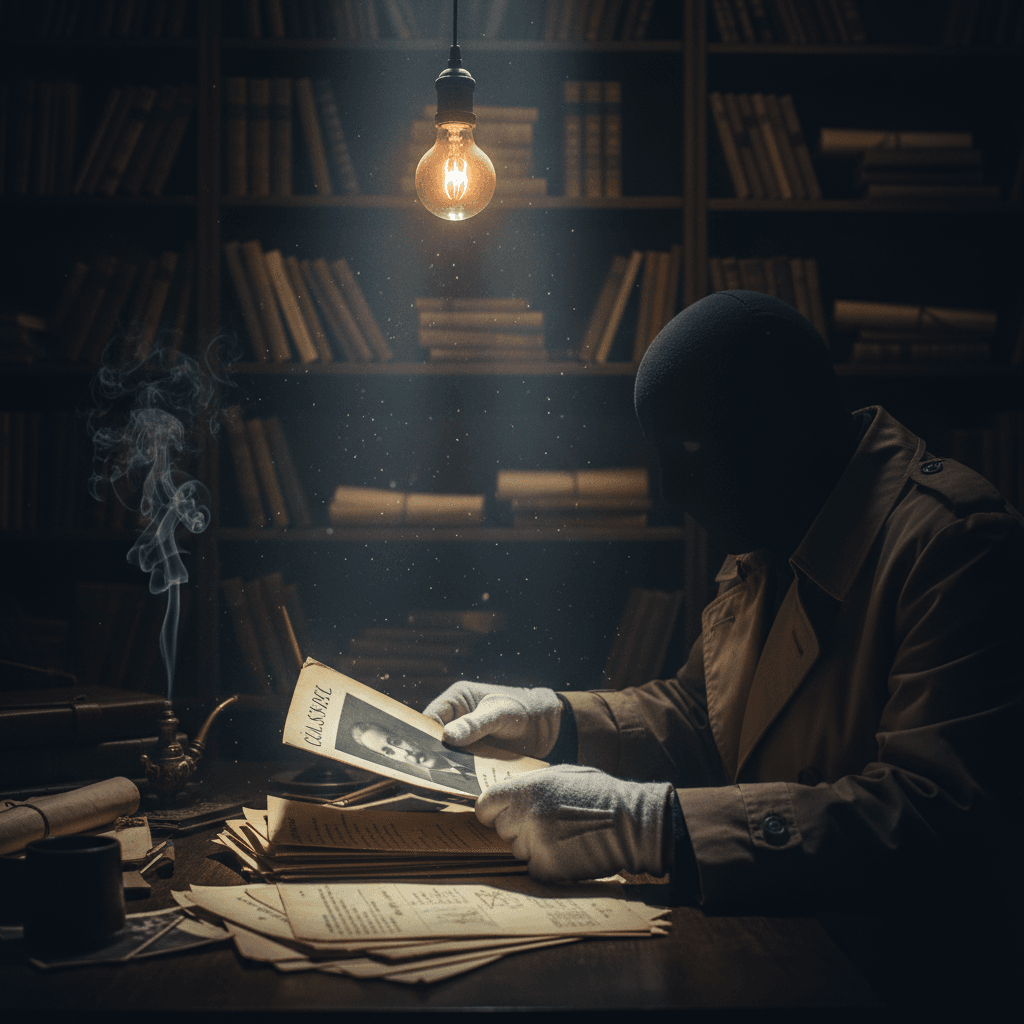
Why are we so obsessed with the idea that dictators didn’t really die? Perhaps it’s because their impact on history was so monumental that a simple death seems anticlimactic. We prefer a grand conspiracy over a mundane suicide or a stroke. At Curioscope, we explore not just the theories themselves, but the psychological need they fulfill. Believing that Hitler escaped to Argentina isn’t just about history; it’s about our refusal to accept that evil can end with a whimper, not a bang.
Conspiracy theories thrive around past dictators due to their absolute authority, control of information, and the secrecy surrounding their lives. These theories offer speculative narratives about faked deaths, secret escapes, occult connections, and hidden fortunes.
This post aims to explore why these theories proliferate, their psychological and societal impact, and how to critically analyze them, focusing on figures like Adolf Hitler, Joseph Stalin, Mao Zedong, and Benito Mussolini.
The Enduring Allure of Autocratic Secrets: Why Dictator Conspiracy Theories Thrive
Dictatorships inherently involve secrecy, manipulation, and suppression of dissent, breeding mistrust and fertile ground for alternative explanations. The scale of suffering caused by dictators can lead to a need for grander, hidden designs rather than complex socio-political factors.
- Nature of Autocratic Rule: Secrecy, manipulation, and suppression of dissent create fertile ground for alternative explanations.
- Desire for Ultimate Answers: The vast suffering caused by dictators prompts a search for grander, hidden designs.
- Propaganda and Cult of Personality: Dictatorial methods like propaganda and censorship inadvertently sow seeds of skepticism.
- Vacuum of Reliable Information: Suppressed research and curated biographies leave gaps that fuel speculation.
- Mystique of Dictatorial Power: Larger-than-life figures are easily mythologized, making elaborate escape or secret society stories seem plausible.
Iconic Dictators and Their Web of Lies, Legends, and Legacies
Adolf Hitler
- Elusive Escape: Theories claim Hitler used a double and escaped to Argentina, tapping into the idea that such a figure wouldn’t surrender.
- Occult Obsessions: Narratives suggest involvement with secret societies (Thule, Vril) and Nazism being a front for dark magical forces.
Joseph Stalin
- Faked Death: Theories suggest foul play, such as poisoning by rivals or deliberate lack of medical intervention.
- Hidden Empire/Wealth: Rumors persist of secret caches of gold, artworks, and property amassed by Stalin or his regime.
- Deeper Machinations: Some theories posit Stalin was a puppet or that his purges served darker, esoteric purposes.
Mao Zedong
- Health Secrets and Power Struggles: Theories question who truly held power during his declining health, suggesting manipulation.
- Legacy Manipulation: Speculation surrounds the suppression of information regarding his personal excesses.
- Mystical Roots: Less common theories link his influence to mystical practices or ancient Chinese power dynamics.
Benito Mussolini
- Faked Death: Claims that the executed man was a double, and Mussolini escaped, possibly with Nazi aid.
- Hidden Treasures: Theories suggest Mussolini or his cronies spirited away vast amounts of wealth.
The Mechanics of Manufacturing Myth: Propaganda, Disinformation, and Historical Revisionism
- Propaganda: Dictatorships construct narratives of infallibility, shattering upon their fall, fostering suspicion.
- Disinformation: Chaos after regime collapse creates factual discrepancies exploited by theorists.
- Historical Revisionism: Loyalists, opponents, and modern agendas actively create and spread revisionist histories.
- Digital Age Amplification: Social media provides global reach for theories without traditional filters, creating echo chambers.
The Psychological and Societal Impact of Believing (or Disbelieving)
Psychological Impact:
- Sense of Control: Theories offer satisfying, simplified explanations for complex horrors.
- Community and Purpose: Belonging to a group with “secret knowledge” can be appealing.
- Costs: Fosters cynicism, erodes social cohesion, and promotes confirmation bias.
Societal Impact:
- Legitimizing/Delegitimizing Movements: Theories can be used to support or oppose political groups.
- Fueling Grievances: Can perpetuate stereotypes and contribute to denial of historical atrocities.
- Erosion of Shared Facts: Makes societal agreement on facts difficult, impacting governance.
- Critical Engagement: Disproving theories can foster analytical skills.
Distinguishing Fact from Fiction: A Critical Approach to Dictator Theories
- Demand Evidence: Rely on verifiable primary sources, peer-reviewed research, and consistent corroboration.
- Consider the Source: Evaluate the qualifications, agenda, and credibility of the claimant.
- Evaluate Plausibility and Occam’s Razor: Favor the simplest explanation that fits the evidence.
- Look for Falsifiability: Theories that cannot be disproven are suspect.
- Understand Historical Context: Place events and theories within their contemporary realities.
The Modern Echo: How Past Dictator Theories Inform Present-Day Narratives
- Distrust of Official Narratives: Historical memory of dictatorships fosters suspicion towards current governments.
- Hidden Cabals and Unseen Forces: Tropes reappear in modern “deep state” or globalist conspiracy theories.
- Revision of History: Debates around collective memory mirror the process of debunking or bolstering past dictator theories.
- Navigating Information: Understanding these theories provides insight into human psychology and discerning truth.
Conclusion: Facing the Shadows of History with Critical Light
Conspiracy theories about dictators are born from autocratic secrecy, propaganda, and a human desire for compelling explanations for evil. A critical approach is essential, prioritizing verifiable facts, meticulous scholarship, and truth over sensationalism.
Understanding the origins and mechanics of these theories helps discern genuine inquiry from speculation. Critical evaluation of narratives, questioning sources, and resisting easy answers are vital intellectual tools for navigating information and safeguarding collective memory.
Editor’s Reflection
The real tragedy of dictator conspiracy theories is not that they are false, but that they distract us from the true horror. The evil of these men wasn’t hidden in secret bunkers or occult rituals; it was right out in the open, in the laws they passed and the orders they gave. We don’t need to invent mysteries to understand tyranny. We just need to have the courage to look at history as it actually happened—brutal, senseless, and terrifyingly real.
Adolf Hitler: A Comprehensive Historical Analysis of His Life, Rise, and Devastating Legacy
Benito Mussolini: The Architect of Italian Fascism and His Enduring Legacy
The Architect of Modern China: Unpacking the Enduring Legacy of Mao Zedong