
Unraveling the Enigma: Why Americans Can’t Get Enough of Mystery Stories
Curioscope’s Lens
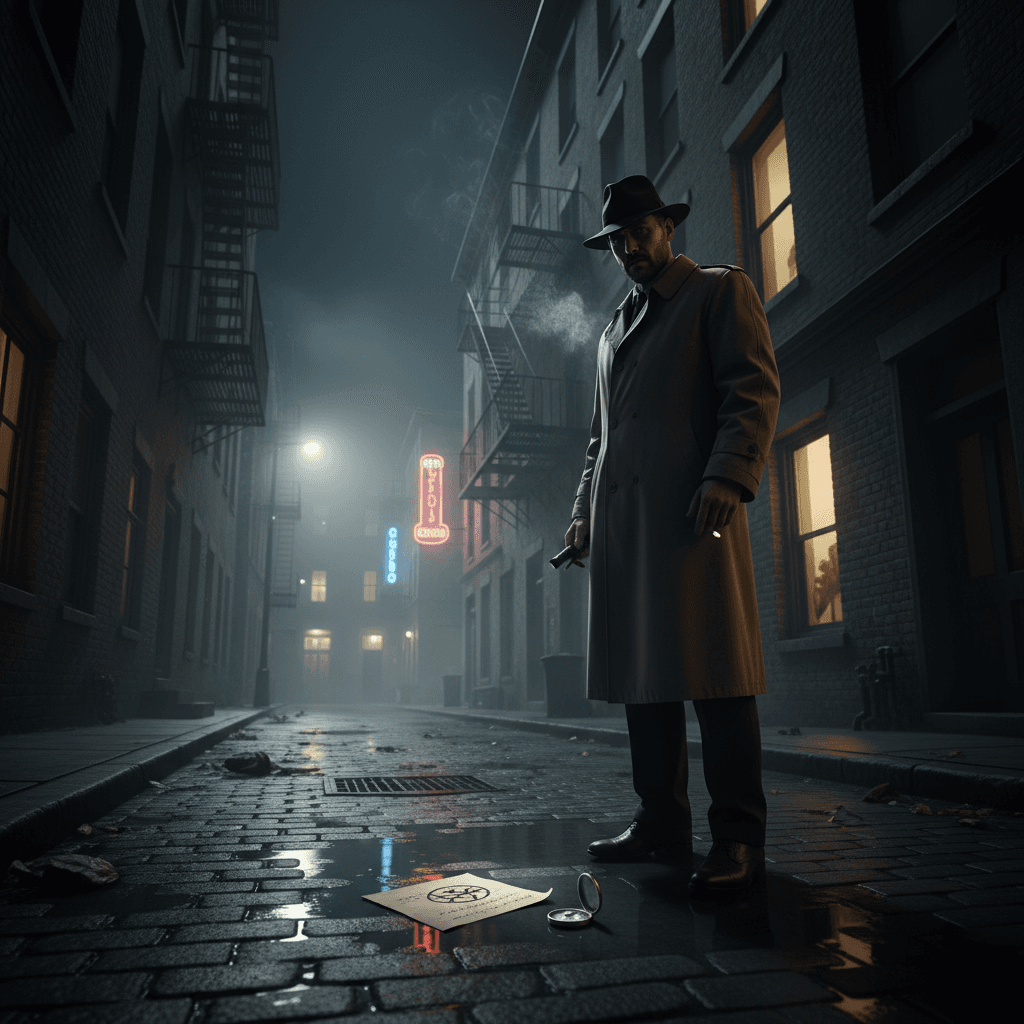
Why do we find comfort in murder? It seems paradoxical, but the American mystery novel is actually a mechanism for restoring order. In reality, justice is messy, slow, and often absent. But in these stories, the clues always fit, the detective always notices, and the truth—no matter how buried—is always excavated. At Curioscope, we see the detective not just as a sleuth, but as a modern philosopher, imposing logic on a chaotic world one clue at a time.
The human fascination with puzzles, the unknown, and problem-solving drives the enduring popularity of mystery stories in American culture. This genre, encompassing hardboiled detectives, cozy sleuths, courtroom thrillers, and true crime, has captivated and shaped American popular culture for centuries. The text explores the reasons behind this grip on the American psyche, delving into the genre’s history, subgenres, iconic authors, and psychological appeal.
The Genesis of Intrigue: From Poe’s Puzzles to Hardboiled Grit
Edgar Allan Poe is credited with pioneering detective fiction with “The Murders in the Rue Morgue” (1841), introducing C. Auguste Dupin and his “ratiocination,” setting a template for intellectual detectives. While the Golden Age of Detective Fiction is often associated with British authors, America had fervent devotees and practitioners. A distinctly American voice emerged with the hardboiled detective, originating in pulp magazines of the 1920s-30s. Authors like Dashiell Hammett (The Maltese Falcon) and Raymond Chandler (The Big Sleep) featured tough, disillusioned protagonists (Sam Spade, Philip Marlowe) navigating corrupt urban landscapes, confronting injustice, and blurring hero/anti-hero lines. This hardboiled tradition, rooted in American individualism and skepticism, influenced film noir and continues to resonate with a preference for raw realism.
The Diverse Landscape of American Mystery: A Subgenre Safari
The appeal of American mystery is multifaceted, with various subgenres offering unique experiences:
- Hardboiled & Noir: Continues to be popular with modern authors like Michael Connelly (Harry Bosch) and Dennis Lehane (Mystic River), exploring urban crime, morally compromised characters, and the psychological toll of justice in flawed systems.
- Police Procedurals: Offer realistic portrayals of law enforcement, pioneered by Ed McBain (87th Precinct series) and continued by authors like Michael Connelly and Joseph Wambaugh. They detail investigative processes and bureaucratic hurdles.
- Legal Thrillers: Tap into the American belief in the justice system. John Grisham is a leading figure, known for intricate legal battles and suspenseful plots. Scott Turow also explores courtroom ethics and high stakes.
- Psychological Thrillers: Have surged in popularity, focusing on the mind as a battlefield. Authors like Gillian Flynn (Gone Girl), Paula Hawkins (The Girl on the Train), and Tana French craft narratives with unreliable narrators, flawed characters, and a pervasive sense of unease, focusing on “why” and “what really happened.”
- True Crime: Exploded in recent years, from Truman Capote’s In Cold Blood to podcasts like Serial and documentaries like Making a Murderer. This fascination stems from morbid curiosity, a desire to understand depravity, a search for victim closure, and a communal effort to solve cases.
- Cozy Mysteries: Offer a lighter, gentler approach with amateur sleuths in quaint settings. Authors like Joanne Fluke and Laura Childs provide escapism with minimal violence, focusing on intellectual puzzles and community.
- Spy & Techno-Thrillers: Feature global stakes and intricate plots, with authors like Robert Ludlum (Jason Bourne) and Tom Clancy (Jack Ryan) specializing in espionage, military conflicts, and advanced technology, tapping into national security anxieties.
Test Your Mystery Knowledge!
Iconic Authors and Their Enduring Legacies
- Dashiell Hammett & Raymond Chandler: Architects of hardboiled fiction, known for Sam Spade and Philip Marlowe, defining a cynical, moralistic voice.
- John Grisham: Master of legal thrillers (The Firm, A Time to Kill), blending legal intricacies with suspense.
- Patricia Cornwell: Pioneer of forensic thrillers with Dr. Kay Scarpetta, revolutionizing the genre with meticulous scientific detail.
- James Patterson: Prolific author known for fast-paced thrillers, especially the Alex Cross series.
- Michael Connelly: Master of modern police procedurals and hardboiled novels, with the beloved detective Harry Bosch, deeply rooted in Los Angeles.
- Lee Child: Creator of the Jack Reacher series, featuring a nomadic ex-military investigator, embodying rugged individualism and moral code.
- Gillian Flynn: Redefined psychological thrillers with Gone Girl, known for dark, twisty narratives and flawed characters.
The Enduring Allure: Why We Love to Solve
- The Intellectual Puzzle and the Quest for Order: Mysteries offer a satisfying intellectual engagement, restoring order and revealing truth in a chaotic world, providing catharsis and control.
- Confronting the Dark Side of Human Nature: Fictional exploration of greed, betrayal, and violence allows readers to safely confront fears and anxieties about evil. True crime helps process real-world horrors.
- Escapism and Immersion: Mystery novels offer potent escapism, allowing readers to experience high-stakes drama from a safe distance.
- Social Commentary and Justice: Writers use the genre for social critique, addressing corruption, inequality, and flaws in the justice system, reflecting hopes for a more equitable world.
- The Thrill of Suspense: The master key is suspense, with tension, twists, and chases triggering primal responses and providing profound satisfaction.
Mystery Beyond the Page: A Multimedia Phenomenon
The American love for mystery extends to:
- Television: Classic shows (Columbo, Murder, She Wrote) and modern series (CSI, Law & Order, True Detective, Mare of Easttown).
- Film: From classic film noir (The Big Sleep) to modern blockbusters and prestige dramas.
- Podcasts: Especially in true crime, with Serial bringing investigative journalism podcasts to the mainstream, spawning numerous others.
- Video Games: Offering interactive experiences for players to solve crimes and uncover conspiracies.
The Future of American Mystery: Evolving Enigmas
Key trends shaping the future include:
- Increased Diversity: More authors from varied backgrounds crafting mysteries reflecting a wider range of experiences.
- Genre Blending: Blurring lines with science fiction, fantasy, historical fiction, and horror.
- Technological Integration: Cybersecurity, AI, genetic forensics, and deepfakes playing central roles in plots.
- Global Perspectives: Drawing inspiration from international crime fiction and exploring interconnected global mysteries.
- Continued True Crime Dominance: Persistence of fascination with true crime, with new platforms and investigative approaches emerging.
Conclusion: The Unbreakable Spell of the American Mystery
American mystery stories offer a journey into suspense, intrigue, and discovery, serving as a cultural lens to explore justice, morality, and truths about society. The genre satisfies the urge to know, solve, and find order, providing intellectual stimulation, cathartic escapism, and a safe space to confront human darkness. As long as secrets exist, Americans will continue to be drawn to the allure of the unknown.
Editor’s Reflection
As I close the final page of a good mystery, I realize the satisfaction isn’t just in knowing “whodunit.” It’s in the affirmation that answers exist. In an age of misinformation and infinite scrolling, the mystery genre offers a finite, solvable universe. It reminds us that if we look closely enough, pay attention to the details, and think critically, the world might just make sense after all.